

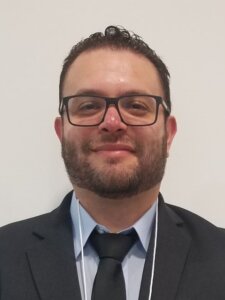
Jesus R. Torres, MD, MPH, MSc, FACEP
Assistant Professor of Emergency Medicine
David Geffen School of Medicine at UCLA
About my role
I am a recipient of the ARLG Early Stage Investigator (ESI) award that has allowed me to conduct a multi-center study titled, Emerging Staphylococcus aureus Resistance and Current Antimicrobial Patterns in Emergency Departments (ESCAPED).
About my research
My research aims to characterize current antibiotic prescribing practices for community-associated methicillin-resistant S. aureus (CA-MRSA) and to identify emerging patterns of antimicrobial resistance (AMR). This work will offer valuable insight into appropriate antimicrobial treatment strategies and serve as a foundation for further AMR research.
With most skin and soft tissue infections (SSTIs) managed in emergency departments (EDs), the ESCAPED study fills an important gap left by retrospective inpatient data and aligns closely with the ARLG’s mission to generate actionable evidence on antimicrobial use and resistance.
Why is this research important?
Over the last several decades, SSTIs caused by CA-MRSA have emerged as a common presentation in EDs nationwide, imposing a substantial burden on health care systems. Treatment of SSTIs in EDs typically involves incision and drainage often accompanied by antibiotic therapy, with trimethoprim-sulfamethoxazole (TMP-SMX) being among the most commonly prescribed agents. However, recent inpatient retrospective studies have identified a potential emergence of MRSA resistant to TMP-SMX and other agents.
Our ESCAPED study aimed to prospectively evaluate antimicrobial susceptibilities of S. aureus isolates causing SSTIs, with a particular focus on TMP-SMX and other commonly prescribed antibiotics. The study was conducted in a nationally represented population sample in 12 EDs where the majority of these infections are typically treated.
Impact of the ARLG mentoring and funding on my career
The ARLG Early Stage Investigator (ESI) award has played a pivotal role in advancing my career. It enabled closer collaboration with my mentor, David Talan, MD, Professor of Emergency Medicine, Infectious Diseases, UCLA, and EMERGEency IDNET, a national sentinel network for surveillance and research of emerging infectious diseases. Through this support, I now serve as the principal investigator of this 12-site study on SSTIs.
Dedicated mentorship from Anthony Harris, MD, MPH, Professor and Acting Chair of the University of Maryland School of Medicine Department of Epidemiology and Public Health, through the ARLG has also been instrumental in shaping the direction of my career. My methodological approach was strengthened through guidance from leaders in AMR research, which helped refine my long-term goal of contributing to the field of AMR from the unique perspective of emergency care. This mentorship has also facilitated the development of collaborative research networks and positioned me for future grant opportunities, including a K grant, that will support the continuation and expansion of my work.
What information about the network would you like to share?
The ARLG is deeply committed to mentoring the next generation of researchers in the field of AMR. You have the opportunity to receive unparalleled mentorship from the leaders of the field and form strong connections that will be critical to your career trajectory.