

On this page, we spotlight clinical sites participating in ARLG studies. Their contributions to the mission of ARLG are essential in combating the antibacterial resistance crisis and improving patient care. Join us in learning more about sites on the front lines of researching antibacterial resistance.
Johns Hopkins University
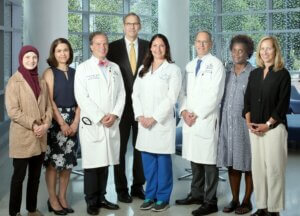 Natalie E. West, MD, MHS, associate director of the Adult Cystic Fibrosis Program at the Johns Hopkins Hospital and her team bring deep expertise in pulmonary and critical care medicine to ARLG-supported research, including the PHAGE study. Their work helps to improve care and outcomes for patients with cystic fibrosis, many of whom have chronic, antibiotic-resistant infections.
University of Alabama at Birmingham
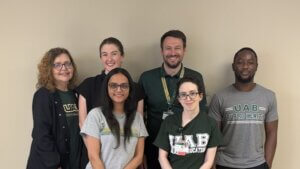 Todd McCarty, MD, and the Infectious Diseases team at the University of Alabama at Birmingham have participated in several ARLG studies. Dr. McCarty, Infectious Diseases Fellowship Program Director, served as the Principal Investigator for the the DOTS, EVADE, and MDRO Network studies at UAB.
Mayo Clinic
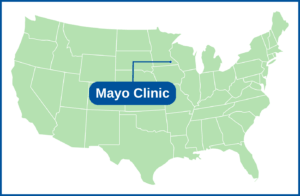 W. Charles Huskins, MD, MSc, collaborated with colleagues across the ARLG to design and conduct the SCOUT-CAP study. The study found that a five-day course of antibiotics was superior to the standard 10-day course; the short course led to similar clinical outcomes while reducing antibiotic exposure and resistance. Dr. Huskins and other principal investigators have led multidisciplinary research teams to conduct several ARLG studies at Mayo Clinic. Their work has helped to advance clinical research and improve the care of patients with antibacterial-resistant infections.
University of North Carolina
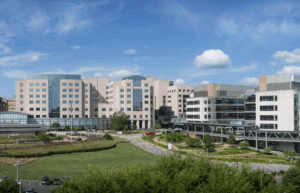 Dr. David van Duin and the Infectious Diseases Clinical Trial Team at the University of North Carolina (UNC) have participated in several ARLG research activities. Dr. van Duin, Director of the Immunocompromised Host Infectious Diseases Program at UNC Health, served as the Principal Investigator for the MDRO Network and the CRACKLE and SHREC studies.
University of Pittsburgh
 As one of three world-class Centers of Excellence in Research within the University of Pittsburgh’s Division of Infectious Diseases, the Center for Innovative Antimicrobial Therapy (CIAT) investigates novel approaches to address the growing public health crisis of antimicrobial resistance. These investigators, researchers, and study coordinators are part of a stellar team with a long history of partnering on ARLG studies.
Corewell Health
 Dr. Matthew Sims and his clinical trial team at Corewell Health, the largest health care system in Michigan, have worked on many ARLG studies like ACUMIN and DOTS, and are currently working on studies like OPTIMIZE-GNI and Pneumonia Direct Pilot (PDP).
Henry Ford Health
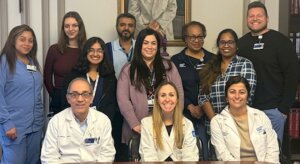 Henry Ford Health is an academic institution composed of 13 hospitals, making it the second largest health system in the state of Michigan. The main location for research is in Detroit at Henry Ford Hospital—a quaternary referral hospital housing 877 beds. They take great pride in serving a wide population, and it shows in their clinical trial enrollment as well.