

A primary goal of the ARLG is to train the next generation of researchers who will help support the mission of the ARLG to reduce the public health threat of antibacterial resistance. Through the Mentorship Program, the ARLG has Early Stage Investigator (ESI) Seed Grants and Fellowship opportunities for researchers. On this page, we spotlight recipients of our funding.
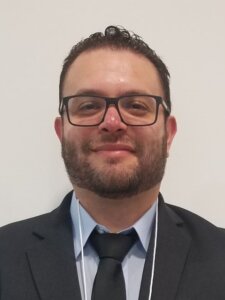
Jesus R. Torres, MD, MPH, MSc, FACEP
Assistant Professor of Emergency Medicine
David Geffen School of Medicine at UCLA
Research Focus: Antimicrobial resistance (AMR) and emergency care treatment of skin and soft tissue infections caused by Staphylococcus aureus
My research aims to characterize current antibiotic prescribing practices for community-associated methicillin-resistant S. aureus (CA-MRSA) and to identify emerging patterns of AMR. This work will offer valuable insight into appropriate antimicrobial treatment strategies and serve as a foundation for further AMR research.
The ARLG Early Stage Investigator (ESI) award has played a pivotal role in advancing my career. It enabled closer collaboration with my mentor, David Talan, MD, Professor of Emergency Medicine, Infectious Diseases, UCLA, and EMERGEency IDNET, a national sentinel network for surveillance and research of emerging infectious diseases. Through this support, I now serve as the principal investigator of this 12-site study on skin and soft tissue infections.

Felicia Ruffin, PhD, MSN, BSN, RN, BA
Clinical Research Program Leader for the Bloodstream Infections Biorepository & Database under Dr. Fowler’s Leadership
Duke University Medical Center
I aim to expand our knowledge of the impact of antimicrobial resistance (AMR) and describe the differences in clinical characteristics and outcomes among patients infected with carbapenem-resistant Enterobacterales (CRE). My work with ARLG focuses on gaining a better understanding of risk factors for poor outcomes after infections with resistant bacteria. If we can better predict who is at increased risk of undesirable consequences, such as death after infection, we will be better able to prevent some of those outcomes. My study has generated preliminary data for future studies in bacterial infections by analyzing data from an ARLG-funded observational study, Consortium on Resistance against Carbapenems in Klebsiella pneumoniae (CRACKLE-2).
I have contributed to AMR research for over two decades. However, my understanding of the importance of a mentoring team was reinforced through the opportunity to conduct research with ARLG. I have the support of world-class AMR researchers who serve as my mentors. My mentors have helped me establish a research agenda, hone my research skills, grow as a public speaker, and develop a manuscript for the ARLG-funded research. As a result of my mentors’ professional influence, I am encouraged to continue investigating and mitigating the factors contributing to poor outcomes in AMR infections.

David Roach, MD, MBA
Instructor of Medicine, Harvard Medical School
Infectious Disease Attending Physician, Brigham and Women’s Hospital
Post-doc, Bhattacharyya Lab, Broad Institute of MIT and Harvard
As an ARLG fellow, my work has focused on developing better ways to detect antimicrobial resistance (AMR) quickly and accurately, especially in low-resource settings. With ARLG’s support, I built BADLOCK, a CRISPR-based assay that can rapidly identify bacterial species and resistance genes directly from blood cultures.
ARLG funding has been key in helping me validate the BADLOCK assay, develop computational tools to design better CRISPR targets, and even start international partnerships to validate BADLOCK in the global health setting. Beyond the research itself, ARLG has been an incredible source of mentorship and collaboration. I’ve had the opportunity to work with experts in bacterial genomics, clinical microbiology, and AMR surveillance, which has helped me shape both the scientific and real-world impact of my work.
ARLG’s support has been instrumental in helping me grow as a researcher and work toward developing practical solutions for tackling AMR in clinical settings.

Emily Lydon, MD
Clinical Fellow
Department of Medicine, Division of Infectious Diseases
University of California San Francisco
I recently received an ARLG Early Stage Investigator (ESI) Seed Grant to support a research project developing metagenomic sequencing-based diagnostic tests for lower respiratory tract infections in lung transplant recipients.
Solid organ transplant recipients, particularly those who undergo lung transplantation, are disproportionately susceptible to lower respiratory tract infections (LRTIs) due to the need for lifelong immunosuppression; LRTI is a major contributor to mortality in this population. However, pathogen-based diagnostic tests used during post-transplant bronchoscopy cannot distinguish between true LRTIs and incidental carriage of potential respiratory pathogens, which is much more common, given the non-sterile nature of the respiratory microbiome. This often results in excessive antibiotic administration, which selects for antimicrobial-resistant organisms and causes interactions with immunosuppressants, Clostridioides difficile infection, and quality-of-life-limiting antimicrobial side effects. The research aims to utilize metagenomic sequencing on bronchoscopy samples to develop novel, integrated host-microbial molecular diagnostics to more accurately diagnose LRTIs in this population, specifically distinguishing LRTIs from colonization, while also profiling the impacts of antibiotic exposure on the lung microbiome and resistome.
A key priority of the ARLG scientific agenda is the development of improved diagnostic tests, particularly through the use of host biomarkers and gene expression profiles as alternatives to pathogen-based diagnostics. My project directly addresses this need. I suspect that host gene expression signatures from the lower respiratory tract will more effectively distinguish between true infection from microbial colonization in lung transplant patients compared to standard-of-care pathogen-based diagnostics. If successful and implemented in the clinic, such a test would decrease the number of unnecessary antibiotic prescriptions in this population.

Natalie Mackow, MD, MSCR
Renaissance School of Medicine
at Stony Brook University
I was awarded an ARLG fellowship in 2023, which provides support for my salary to conduct mentored research in antibacterial resistance (AMR), full tuition, and conference travel for 2 years. As an ARLG fellow, I also participate as a non-voting member of both the Steering Committee and the Gram-Negative Committee. These memberships allow me to learn by listening to experts in the field discuss clinical study development and by reviewing project proposals. I have been able to focus on the development of my research and data analysis skills and build my research portfolio and professional network.
We have poor definitions of what it means for antibacterials to be “anti-anaerobic,” yet multiple recent studies report an association between anaerobic antibiotic coverage with poor patient outcomes, including ventilator-associated pneumonia in critically ill patients and Clostridioides difficile colitis in patients treated for aspiration pneumonia. Through my primary ARLG research project, I am trying to redefine how we think about anaerobic antibiotic coverage in patient care and clinical research. Using retrospective data from my hospital, I am evaluating the relationship between exposure to antibiotics by anaerobic activity on subsequent infections with MDRO and other outcomes including hospital-acquired infections.
This work aims to inform antibacterial therapy practices in patients with severe burns to reduce prevalence of antibacterial resistance and may be applicable to prevention approaches in other critically ill patient populations. In terms of antibacterial activity against anaerobes, AMR is a growing, global phenomenon and must be considered when defining which antibiotics have “good" anaerobic activity.
 Dariusz (Darek) Hareza, MD, MHS
ARLG Fellow
Johns Hopkins University School of Medicine
As an infectious diseases fellow, I am conducting research investigating the molecular epidemiology and clinical outcomes of patients infected with non-CTX-M extended-spectrum beta-lactamase producing Enterobacterales (ESBL-E). I recently completed a Master of Health Sciences degree to formalize my training in biostatistics, epidemiology, and grant writing to ensure that the studies I conduct are properly designed and analyzed using robust methodologies.
I aim to investigate the significance of identifying non-CTX-M extended-spectrum beta-lactamases (ESBLs) in enhancing patient outcomes. More specifically, I am studying whether there are particular antibiotics that can optimize the clinical outcomes of patients with non-CTX-M ESBL-E bloodstream infections utilizing whole genome sequencing of a cohort of 500 hospitalized patients with ceftriaxone-resistant Enterobacterales bloodstream infections. I am excited to report that the findings of this work have been recently accepted in Clinical Infectious Diseases.
ARLG has provided me with outstanding mentorship opportunities and training so that I can advance my academic career in improving the diagnosis and treatment of antibiotic-resistant infections. My assigned mentor, Anthony Harris, MD, MPH, and I regularly check in to discuss approaches to position myself for a successful career in academic medicine studying gram-negative resistance, design and execution of meaningful research studies, and applying for future funding opportunities. It has been invaluable to be able to brainstorm ways to get the most out of the support I receive from ARLG, to be given opportunities to present my research at national conferences, and to ensure I meet experts in the field such as Dr. Harris, Pranita D. Tamma, MD, MHS, and Sara Cosgrove, MD.

Helen Zhang, MD, MSCE
ARLG Fellow
Duke University
As an advanced infectious diseases fellow interested in antibacterial resistance research, the ARLG provides me with full salary support to conduct mentored research in antibacterial resistance, as well as support for related training activities. ARLG’s support has given me protected time to focus on building my research skillset and portfolio.
My research focuses on the epidemiology of infections caused by multidrug-resistant gram-negative bacilli. Specifically, I am investigating risk factors for treatment failure and recurrence among patients with community-onset urinary tract infections caused by extended-spectrum cephalosporin-resistant Enterobacterales.
Although initially confined to healthcare environments, extended-spectrum cephalosporin-resistant and extended-spectrum beta-lactamase (ESBL) producing Enterobacterales have increasingly disseminated throughout community settings in the U.S. and worldwide. By identifying risk factors for poor outcomes from these infections, we can gain a better understanding of what modifiable risk factors we can target to improve patient outcomes, as well as who might benefit the most from nascent decolonization strategies to prevent recurrence.
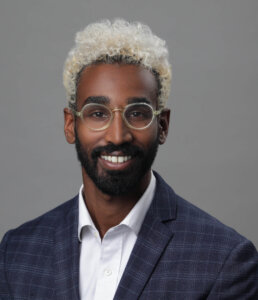 Ahmed Babiker, MBBS, MSc
Assistant Professor, Department of Internal Medicine, Division of Infectious Diseases
Rush University
I received ARLG’s Early Faculty Seedling Award to study how novel microbiome-based approaches lead to multidrug-resistant organism (MDRO) decolonization. Using combined anaerobic culturing and next generation sequencing, my team and I are working to identify the specific taxa that confer long-term MDRO decolonization among fecal microbiota transplantation (FMT)-treated individuals. In addition, we are working to establish a strain biobank to support the development of novel microbiome diagnostics and therapies for MDRO decolonization.
An overarching theme of my clinical and research interests is utilizing -omics techniques to directly address challenges posed by antimicrobial resistance (AMR). My research interests include the clinical and molecular epidemiology of MDROs within healthcare and low- or middle-income country settings, the role of the microbiome in colonization resistance, and the integration of novel diagnostics and -omics technology into clinical microbiology workflows.
As ARLG’s scientific agenda indicates, the current landscape of AMR and the antibiotic pipeline have created a critical need for new therapies. Microbiome therapeutics, such as FMT, offer a novel approach to improve dysbiotic microbiome states associated with MDRO colonization. While mounting evidence indicates that FMT is effective at eradicating MDRO intestinal colonization, the precise mechanisms by which FMT reduces MDRO colonization and enhances long-term colonization resistance are not well elucidated. To realize the full potential of microbiome therapies, more work is needed to determine the ecological dynamics that lead to long-term MDRO decolonization.
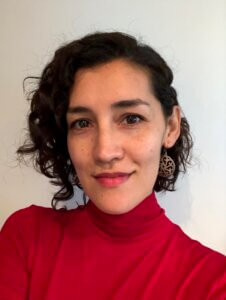
Maria Fernanda Mojica, MSC, PhD
Senior instructor, Department of Molecular Biology and Microbiology
Case Western Reserve University School of Medicine
I received an Early Stage Investigator Seed Grant to define the mechanisms of resistance to a novel carbapenem, by providing fundamental biochemical and microbiological information about the interaction of this carbapenem with relevant β-lactamases.
As a microbiologist who has worked with infectious disease specialists, I am fully aware of the critical role of β-lactamases as the main drivers of β-lactam resistance. Eager to know more about these fascinating enzymes, I earned a PhD in Biochemistry studying β-lactamases, specifically Metallo- β-lactamases (MBLs), to understand how they work with the end goal of designing inhibitors.
I applied for the Early Stage Investigator Grant from ARLG in the third year of my postdoc training. Receiving it bolstered my confidence and reinforced my desire to continue on the academic path. It has been a terrific learning experience on all fronts. Being the PI of a grant trained me in the administrative duties you are seldom aware of when you are not in that position. This award also helped me transition to a faculty position

Nicholas A. Turner, MD MHSc
Assistant Professor, Duke University Health System
Hospital Epidemiologist, Duke Infection Control Outreach Network (DICON)
Associate State TB Controller, North Carolina
I began as an ARLG fellow and am now a clinical trialist in training. ARLG-supported opportunities have given me the chance to contribute to research in epidemiology and the prevention of drug-resistant infections. I’ve also gained experience in therapeutics by serving on clinical adjudications committees, drug safety monitoring boards, and as a sub-investigator on clinical trials.
ARLG supported my pursuit of a master’s degree in clinical research, where I learned a variety of research methods that have helped me to become an active contributor on an array of exciting projects fighting drug resistance in the prevention and treatment stages. For my thesis, I used mixed effects modeling methods to examine the shift in C. difficile from hospital-associated infection to community-onset infection. Using the same epidemiologic methods learned during my fellowship, I have continued to play an active role in analyzing epidemiologic trends both within the hospital (including time series regression to assess prevention efforts targeting C. difficile and catheter-associated UTIs) and community (including modeling geospatial inequities in COVID-19 infections and tuberculosis screening).
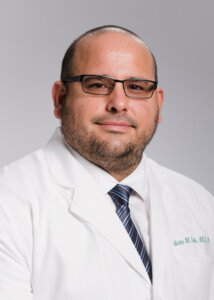 Sixto Manuel Leal Jr, MD, PhD
Director of Clinical Microbiology
University of Alabama at Birmingham
I received an ARLG Early Stage Investigator Seed Grant to develop a novel diagnostic test for C. difficile. Current laboratory diagnostic tests lack sufficient sensitivity or specificity to accurately distinguish between active infection and colonization with metabolically inactive spores, leading to either underdiagnoses or inappropriate treatment of colonized individuals.
With support from the ARLG, my team has developed and validated a novel multiplex RT-PCR assay that incorporates four distinct C. difficile-specific targets and an intrinsic control that detects toxin gene expression with 2000-fold greater sensitivity than current methods.
The ARLG Early Stage Investigator Seed Grant supports the success of individuals seeking to execute translational research projects. As an ARLG junior faculty member, I have been able to connect and collaborate with new colleagues in and outside of my institution, which has been essential for the success of my current project and will continue to be beneficial in the future. ARLG support also enabled the recruitment of expert clinical research nurses to assist with sample collection as well as the lab staff and reagents needed to execute this research.

Daria Van Tyne, PhD
Assistant Professor of Medicine
Division of Infectious Diseases
University of Pittsburgh School of Medicine
I received an early-stage investigator award from ARLG to isolate and characterize bacteriophages that can target antibiotic-resistant gram-negative bacteria, like P. aeruginosa, Enterobacter spp., E. coli, and K. pneumoniae. I have a PhD, which makes my role a bit different from other ARLG researchers. Even though I am not a medical doctor, I work closely with physicians on research that directly informs treatment courses for patients.
ARLG support has allowed my lab to build libraries of phages that are available for screening against clinical bacterial isolates from infected patients. We now receive periodic phage screening requests from our physician colleagues, and are working to develop tailored phage cocktails for patients we think might benefit from phage therapy. I have also become involved in the ARLG-sponsored PHAGE trial, which has given me valuable exposure to the process of planning and running a clinical trial.
Furthermore, my ARLG mentor has made me aware of and encouraged me to apply for other relevant funding opportunities, and has also helped me start new avenues of research in my lab. Phage research was a new area for my group when we first started this work, but ARLG has helped support us in the development of a clinically-relevant research program in phage therapy. Doing this kind of research is very rewarding, and I’m grateful for ARLG’s support for this work.
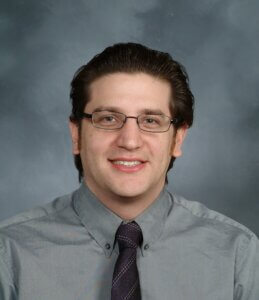
Michael Satlin, MD, MS
Associate Professor of Medicine
Associate Professor of Pathology and Laboratory Medicine
Clinical Director, Transplant-Oncology Infectious Diseases Program
Weill Cornell Medicine
As an ARLG trialist in training, I receive funding, guidance, and mentorship that is allowing me to lead a multicenter study to identify the frequency and clinical significance of colonization with fluoroquinolone-resistant gut bacteria in neutropenic patients.
ARLG has also given me the opportunity to participate on the Gram-Negative Subcommittee and Immunocompromised Host Working Group where I can contribute to the development of other clinical trials. I am forever grateful that ARLG’s mentorship and opportunities have allowed me to successfully launch my research career. Senior ARLG members helped to provide the preliminary data for the current study by serving on a Scientific Advisory Board to support my K23 Career Development Award. The mentorship guided my transition from the initial award all the way to becoming an independent investigator. The opportunity to network with leading clinical researchers in the field of antimicrobial resistance has also led to additional collaborative research and grant funding.
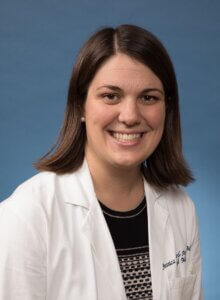
Jessica Howard-Anderson, MD, MSc
Infectious Diseases Fellow
Division of Infectious Diseases
Emory University School of Medicine
I was awarded an ARLG fellowship beginning in January 2020 which provides full salary support for my research as well as funding for tuition and relevant training activities for 18 months. As an ARLG fellow, I participate as a non-voting member in the ARLG Steering committee and Gram-negative committee. This has provided an opportunity to learn a great deal from hearing experienced ARLG investigators discuss research ideas and priorities.
Mentoring from many ARLG leaders and guidance from the Innovations Work Group has taught me more about the Desirability of Outcome Ranking (DOOR) analytic method. This has given me the opportunity to lead the ARLG DOOR Exploratory Endpoint Task Force aimed at standardizing DOOR endpoints for future registration trials for novel antibiotics.
My primary ARLG research project focuses on patients with carbapenem-resistant Pseudomonas aeruginosa (CRPA). Using population-based surveillance data from the Georgia Emerging Infections Program, I am analyzing clinical outcomes comparing patients initially treated with ceftolozane/tazobactam to those initially treated with colistin via a DOOR analysis.
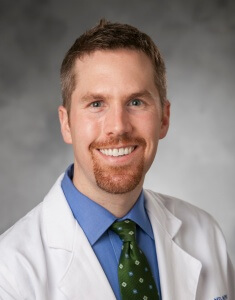 Matthew Kelly, MD, MPH
Asst. Professor of Pediatrics (Infectious Diseases)
Program Dir., Pediatric Infectious Diseases Fellowship
Asst. Dir., Duke Pediatric Research Scholars Program
Associate Dir. of Physician-Scientist Development,
Office of Pediatric Education
I am the lead investigator of the RESistance In Stem cell Transplant Microbiome (RESISTOME) Study. This ARLG-funded study seeks to understand risk factors for the acquisition of antibiotic-resistant bacteria among hospitalized children and adolescents.
This study included 50 children and adolescents who underwent stem cell transplantation at Duke University between 2015 and 2018 and used advanced sequencing techniques to identify the full collection of antibiotic resistance genes (“the resistome”) in the gut microbiomes of these children. This study aims to inform antibiotic stewardship, infection control, and other strategies to prevent the emergence and spread of antibiotic-resistant bacteria in health care settings.
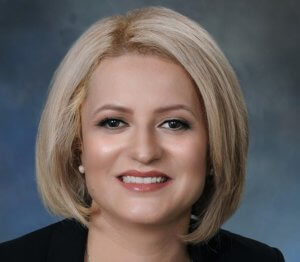
Larissa Grigoryan, MD, PhD
Assistant Professor
Family and Community Medicine
Baylor College of Medicine
I am a recipient of an Early Stage Investigator Seed Grant from ARLG on creating an outpatient-specific antibiogram to guide treatment for urinary tract infections (UTI).
My colleagues and I have long wondered whether the antibiograms obtained based on mostly hospitalized or emergency room patients are relevant to women we see in our primary care clinics for uncomplicated cystitis. We received ARLG funding to answer this exact question, creating a strain collection from all patients walking into two of our primary care clinics with acute cystitis.
 Pranita D. Tamma, MD, MHS
Associate Professor of Pediatrics
Director of the Pediatric Antibiotic Stewardship Program
The Johns Hopkins Hospital
My initial introduction to the ARLG was as a recipient of an Early Stage Investigator Seed Grant. Since then, the ARLG has been very generous in providing me with opportunities for further involvement, including being a member of the Gram-negative Committee. In this role, I help establish the research agenda, provide feedback on proposed research studies, and review manuscripts from ARLG-funded research..
In 2014, I received funding from the ARLG to establish a Gram-negative bloodstream infection database from three hospitals: The University of Maryland Medical Center, The Johns Hopkins Hospital, and The Hospital of the University of Pennsylvania. This database includes information on close to 5,000 unique patients infected with Gram-negative bacteria. The main objective is to answer questions related to the clinical impact of antibiotic breakpoint changes.
Antibiotic breakpoints are established based on epidemiological cutoff values, pharmacokinetic-pharmacodynamic data, mathematical models, animal studies, and available clinical data. Unfortunately, there are often limited clinical data to inform breakpoint changes, so we rely mostly on in vitro and animal studies. By establishing a large database of patient-detailed data we hope to explore the impact established antibiotic breakpoints can have on patient outcomes to determine if breakpoint adjustments may be necessary.
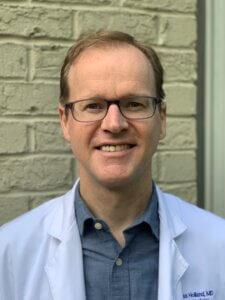 Thomas L. Holland, MD, MSc-GH
Professor of Medicine, Division of Infectious Diseases
Duke University
I joined the ARLG in a role that might be best described as an early-career trialist. Over the years, my role has grown and evolved as I have been involved in more studies and part of the Gram-positive committee. Two of these efforts are:
- A set of projects around Staphylococcus aureus bloodstream infections. These infections are common and potentially deadly, but few trials have been done to try to determine the best treatment strategies for them. The ARLG has developed novel endpoints that improve trial feasibility and interpretation, including the desirability of outcome ranking (DOOR) and partial credit methods. Developed from a clinician survey and a patient-centered quality of life endpoint, we will use these endpoints in an upcoming interventional trial to test new treatment strategies.
- The Prospective Observational Evaluation of the Association between Initial Vancomycin Exposure and Failure Rates among Adult Hospitalized Patients with MRSA Bloodstream Infections (PROVIDE) Study. I had the opportunity to work with Tom Lodise, PhD, on PROVIDE, which was recently published in Clinical Infectious Diseases.
 Michael Woodworth, MD, MSc.
Assistant Professor, Division of Infectious Disease Infectious
Emory University
About my role in ARLG
I was awarded a two-year ARLG fellowship, which provides salary and tuition support for my research activities. My research primarily focuses on the use of microbiome therapeutics like fecal microbiota transplantation (FMT) for the eradication of intestinal multi-drug resistant organism (MDRO) colonization. My main efforts are concentrated on patient recruitment, and regulatory work related to a clinical trial of the safety of FMT for MDRO decolonization in renal transplant patients after infection.
With support from the ARLG, I have also been able to:
- Experience hands-on wet-lab training in next generation sequencing
- Better understand data science approaches to analyzing sequencing data
- Complete a retrospective clinical outcome project for a cohort of more than 250 patients treated with FMT for recurrent Clostridioides difficile infection at Emory
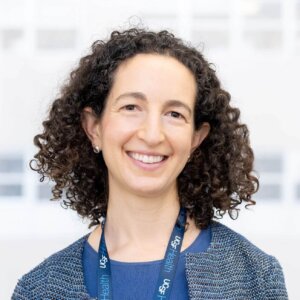
Sarah B. Doernberg, MD, MAS
Associate Professor
Medical Director of Adult Antibiotic Stewardship
University of California, San Francisco
I consider my role in ARLG as a “Trialist in Training.” I have been involved in the development and execution of protocols for three studiesMASTER GC: Performance of Nucleic Acid Amplification Tests for the Detection of Neisseria gonorrhoeae and Chlamydia trachomatis in extragenital sites. This novel study involved collaboration with three manufacturers and input from the Food and Drug Administration (FDA) to evaluate performance of molecular diagnostic tests for extragenital gonorrhea and chlamydia. The primary goal was for the study results to support each company’s FDA application. This trial used the MASTERMIND (MASTER protocol for evaluating Multiple INfection Diagnostics) concept developed by the ARLG that is based on the following premise: One single participant can provide information and samples for the simultaneous evaluation of multiple diagnostics. The MASTER GC trial has completed enrollment of more than 2700 participants at nine sites. FDA submissions from the participating manufacturers and manuscripts from the scientists are underway.
 Ephraim L. Tsalik, MD, MHS, PhD, FIDSA
Danaher Diagnostics, Chief Scientific Officer for ID Diagnostics
Duke University Medical Center, Adjunct Professor
Durham VA Health Care System, Emergency Dept Service Staff
ARLG Diagnostics Subcomm Member
ARLG Innovations Working Group Member
My journey with the ARLG began in 2014 while a junior faculty member at Duke. I had two primary roles in ARLG: 1) as a contributor and 2) and as recipient. As a recipient, I have been the principal investigator for the Rapid Diagnostics in Categorizing Acute Lung Infections (RADICAL) series of studies. The RADICAL studies were founded on the ‘radical’ idea that we could measure a patient’s immune response to determine whether a bacterial or viral infection was present even when the pathogen itself could not be found. The RADICAL studies began with pre-clinical work that validated host gene expression biomarkers in large patient cohorts. RADICAL-2 supported the translation of these biomarkers to point-of-need diagnostic test platforms and validated them in larger and more heterogeneous populations.
 Judith A. Anesi, MD
Post-Doctoral Fellow and Attending Physician
Division of Infectious Diseases
University of Pennsylvania Perelman School of Medicine
I was awarded the ARLG Fellowship to study multidrug-resistant Gram-negative infections among solid-organ transplant recipients. More specifically, I am evaluating the clinical and molecular epidemiology of extended-spectrum beta-lactamase (ESBL)-producing Enterobacteriaceae bloodstream infections among solid-organ transplant recipients. Solid- organ transplant recipients are particularly vulnerable to infection and can be the “canary in the coal mine” when new drug-resistant organisms are emerging. As a result, they represent an important piece of the global antimicrobial resistance puzzle. In order to minimize the morbidity and mortality related to these bacterial infections, it is important to study their clinical and molecular epidemiology. I have chosen to focus on ESBL-producing Enterobacteriaceae infections because they are the most common type of multidrug-resistant Gram-negative infections.
 Michael A. Liss MD, MAS, FACS
Assistant Professor of Urology
University of Texas Health San Antonio
Principal Investigator, Micro-FIRE (Microbiome of FluoroquInolone Resistant E. coli)
My early stage investigator (ESI) seed grants supports the Micro-FIRE. In this study, we are investigating the microbiome in men who harbor fluoroquinolone resistant (FQR) E. coli compared to those who do not harbor the organism. FQR E. coli is the main cause of transrectal ultrasound-guided prostate biopsy needle infections. Nearly one million biopsies are performed each year to diagnose prostate cancer, and sepsis rates have been steadily rising. We hope to understand the associated microbiome in this environment to identify pre/probiotics or other drugs to “decolonize” these men prior to prostate biopsy to reduce infection without increasing the use of antibiotics for prophylaxis. Although, we are investigating specifically FQR E. coli as applied to prostate biopsy infection, this research could also be applied to recurrent urinary tract infections.
Along with the ARLG, we are concerned that more antibiotics will be used to prevent infection leading to more resistance. We are seeking means to reduce infections by understanding the surrounding microenvironment.
 Jose M. Munita, MD
Associate Professor, Instituto de Ciencias e Innovación en Medicina (ICIM), Facultad de Medicina Clinica Alemana, Universidad del Desarrollo, Santiago, Chile
Adjunct Assistant Professor and Director of International Research, Center for Antimicrobial Resistance and Microbial Genomics (CARMiG), UTHealth, Houston, TX
Principal Investigator, VENOUS (Vancomycin-resistant Enterococcus OUtcomes Study)
My ESI grant supports VENOUS, which is a prospective, multi-site observational cohort study to evaluate the outcomes of patients with bloodstream infections due to vancomycin-resistant enterococci (VRE). In addition, parallel collection of clinical isolates is underway with the idea of identifying genomic microbial determinants of outcomes in this population of patients.
The main goal of VENOUS is to answer critical gaps of knowledge regarding the clinical and microbial factors determining the outcomes of VRE bacteremia and the best therapeutic approaches to deal with these multidrug-resistant organisms.
Clinicians have limited options to treat deep-seated VRE infections due to the lack of quality data. Through VENOUS we expect to fill a long-lasting void of good-quality data, providing prospective information about clinical outcomes and their relationship with the genomic bacterial background.