

Yohei Doi, MD, PhD & the Center for Innovative Antimicrobial Therapy, University of Pittsburgh
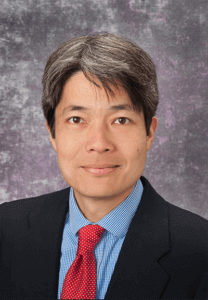
Yohei Doi, MD, PhD
Professor of Medicine, Division of Infectious Diseases
Co-Director, Center for Innovative Antimicrobial Therapy (CIAT)
University of Pittsburgh
Pittsburgh, PA
1. What is your specialty and your primary area of focus in your therapeutic area?
My specialty is general infectious diseases. Areas of focus include:
- Antimicrobial resistance (AMR) among gram-negative bacterial pathogens
- Genetic and molecular basis of emerging antimicrobial resistance mechanisms
- Rapid diagnosis of AMR using phenotypic, genetic, and lipidomic approaches
- Inhibitor-based drug discovery
2. Please tell us about the Center for Innovative Antimicrobial Therapy (CIAT).
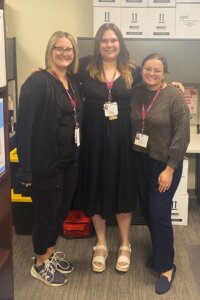
As one of three world-class Centers of Excellence in Research within the University of Pittsburgh’s Division of Infectious Diseases, CIAT investigates novel approaches to address the growing public health crisis of antimicrobial resistance. Our focus on basic, translational, and clinical research provides the basis for principal investigators and faculty with expertise in infectious diseases to generate, expand, and collaborate on research programs designed to develop long-term solutions to combat antimicrobial resistance. This structure also enables the team to bring new scientific discoveries to patients quickly.
3. Please tell us about your research team—sub- or co-investigators, key study coordinators, research nurses, and others who play a vital role in ARLG studies.
We have six infectious diseases physician co-investigators within our division. We also have a substantial research team consisting of a director, regulatory manager, and three research coordinators, two of whom are nurses.
4. Which ARLG projects have you participated in as a clinical trial site?
We have been a site partner on many ARLG studies.
| Current Studies | |
| OPTIMIZE-GNI | OPTIMIZation of Beta-lactam Dosing in Critically-Ill Patients with Suspected or Documented Antimicrobial Resistant Gram-Negative Infections with Cystatin C |
| PDP | Pneumonia Direct Pilot |
| Previous Studies | |
| ACUMIN | A Phase IV, Open-Label Pharmacokinetic Study of Tetracycline Antibiotic for Injection Following a Single Infusion in Critically-Ill Adults |
| CRACKLE | Consortium on Resistance against Carbapenems in Klebsiella pneumoniae |
| CRACKLE II | Consortium on Resistance against Carbapenems in Klebsiella pneumoniae and other Enterobacteriaceae |
| CREST | Using Novel Molecular Beacons to Study the Impact of Carbapenem Resistant Enterobacteriaceae Carriage on the Outcome of Solid Organ Transplant |
| DOTS | Dalbavancin as an Option for Treatment of S. aureus Bacteremia |
| MASTER-GC | Master Protocol - Gonorrhoeae and Chlamydia testing of extragenital specimens |
| POP-MDRO | Prospective Observational Pseudomonas study - Multi-Drug Resistant Organism Network |
| PROVIDE | Prospective Observational Study to Validate the Pharmacodynamic InDex for Vancomycin among Patients with MRSA Bloodstream Infections |
| RADICAL II | Rapid Diagnostic in Categorizing Acute Lung Infections |
| SCENE | Screening for Colonization with Resistant Enterobacterales in Neutropenic Patients with Hematologic Malignancies |
| SCOUT-CAP | Short Course Outpatient Antibiotic Therapy for Community-Acquired Pneumonia in Children |
| SHREC | Multi-Drug Resistant Organism (MDRO): Study of Highly Resistant Escherichia coli |
| SNAP-MDRO | Study Network of Acinetobacter baumannii as Carbapenem-Resistant Pathogen as part of the Multi-Drug Resistant Organism Network |
5. Have you been involved with the ARLG in another capacity?
In 2015, I joined the ARLG Steering Committee and began serving as Chair of the Gram-Negative Subcommittee. In addition, I have been an active contributor to the MDRO Network project and co-led the SNAP initiative.
6. Why is the mission of ARLG important to you?
While addressing AMR remains a top public health priority, the research community dedicated to this challenge remains relatively small compared with other medical disciplines. ARLG plays a critical role in uniting experts and enabling high-impact clinical studies that would otherwise be difficult to conduct.
7. Is there anything else you’d like to share about your work with the ARLG?
One of the most rewarding aspects of being part of ARLG is the opportunity to collaborate with leading experts from diverse institutions. The caliber and dedication of the individuals involved in this program are truly exceptional.