
Plan Now to Attend Your Top IDWeek 2020 Sessions

IDWeek 2020 is just around the corner! From October 21 – 25, ARLG’s top leaders and experts will be discussing the latest AMR topics. You won’t want to miss this year’s Maxwell Finland lecture presented by Vance Fowler, ARLG co-principal investigator, on October 23.

Use the guide below to plan the rest of your conference sessions.

ARLG at IDWeek 2020

DayTimeSession TitlePresentation TitleModeratorsSpeakers
On Demand
Pediatric Infections and Immunology
Oral Abstract
Randomized Double-blind Controlled Trial of Short vs. Standard Course Outpatient Therapy of Community Acquired Pneumonia in Children (SCOUT-CAP)W. Charles Huskins
Oct. 217:00 - 8:00p.m.The Good, the Bad, and the Ugly During COVID-19 in Latin AmericaCesar Arias
Oct. 218:00 - 9:00p.m. Diagnostics and Therapeutics in Latin AmericaCesar Arias
Oct. 219:15 - 10:15p.mThe COVID-19 Experience — JapanYohei Doi
Oct. 2110:15 - 11:15p.m. The COVID-19 Experience — AsiaYohei Doi
Oct. 2211:00a.m. - 12:15p.m. AmpC beta-lactamase: basics and clinical considerations – Speaker 2AmpC beta-lactamase: basics and clinical considerations Yohei DoiPranita Tamma
Oct. 2211:00a.m. - 12:15p.m. Interactive Session -Diagnostic Clinical CasesKim HansonRobin Patel (panelist)
Christopher Doern (panelist)
Oct. 2211:00a.m. - 12:15p.m. Symposium - Lyme Guidelines: a case based approach to what’s new in diagnosis and treatmentLyme Guidelines: a case based approach to what’s new in diagnosis and treatmentTom Holland Sarah Doernberg, Buddy Creech (panelists); Paul Lantos (speaker)
Oct. 2211:00a.m. - 12:15p.m. Role of Advanced Practitioners in IDCatherine Liu (panelist)
Oct. 2212:30 - 1:45p.m. Symposium - Controversies in CandidaCandida Biofilms: What Makes Them So Bad? David Andes
Oct. 2212:30 - 1:45p.m. Symposium – Epidemiologically David van Duin
Oct. 223:45 - 5:00p.m. Symposium – Clinical Trials that May Change Your PracticeClinical Trials in Bacterial Diseases That May Change Your Practice Tom Holland
Sarah Doernberg
Michael Satlin
Oct. 225:15 - 6:30p.m.Bad Bugs – Any DrugsRobert Bonomo
Sara Cosgrove
David Paterson (panelist)
Pranita Tamma (panelist)
Oct. 2310:00 - 11:15a.mChallenging cases in Infectious DiseasesHenry Chambers
Oct. 2310:00 - 11:15a.mRisk of infective endocarditis in patients with bacteremiaStaphylococcus aureus bacteremiaVance Fowler Jr.
Oct. 2311:30a.m. - 12:45p.mSTIs When First-line Therapy FailsTom Holland
Oct. 2311:30a.m. - 12:45p.mTherapeutic ControversyBL/BLI for ESBL Producers – a Bad IdeaDavid Paterson
Oct. 2311:30a.m. - 12:45p.m. “It is All in Your Head”...or Is It?: Delusions, Factitious Disorders and True ID Diagnosis That Look Like ThemLilian Abbo (panelist)
Oct. 232:45 - 4:00p.m. Scientific merits and practical considerations for site-specific susceptibility testingImplementation HurdlesAmy Mathers
Oct. 232:45 - 4:00p.m. New Kids on the Block: Antifungal Drug PipelineDavid Andes
Oct. 234:15 - 5:30p.m. Antimicrobial Stewardship Challenges in Transplant Infectious DiseasesDifficult Diarrhea: C. difficile in Complex, Antibiotic Treated Transplant PatientsChristopher Polage
Oct. 234:15 - 5:30p.m. Current management of Pediatric Neuroinflammatory Disorders: Show me the DataLoren Miller
Oct. 234:15 - 5:30p.m.
On Demand
Designing and implementing clinical trials that inform clinical practiceClinical Trials to Inform Antimicrobial StewardshipYohei Doi Nick Daneman
Oct. 234:15 - 5:30p.mUpdate on Novel Approaches to Antimicrobial Susceptibility TestingRapid Phenotypic Susceptibility Testing Assays
Targeted Molecular Panels for Resistance Detection
Using Whole Genome Sequencing for Prediction of Resistance
Ritu BanerjeePatricia Simner
Lars Westblade
Oct. 234:15 - 5:30p.mHot Topics in Pediatric Infectious DiseasesUpdates on Staphylococcus aureus Infections, Treatment and PreventionRitu BanerjeeStephanie Fritz
Oct. 235:30 - 6:45p.m.
All Channels
Maxwell Finland Lecture
Featured Speaker
Staphylococcus aureus: Lessons Learned from 20 Years with the Persistent PathogenVance G. Fowler
Oct. 2410:00 - 11:15a.m. Antibiotic Stewardship in Unique Clinical SettingsAntibiotic Use in the Emergency Department/Urgent Care CentersLarissa May
Oct. 241:15 -3:00p.m. Clinical Controversies in S. aureus Bacteremia Management and PreventionCombination Therapy for SAB: Who, What When
Decolonization as a S. aureus Bacteremia Prevention Strategy
Tom HollandSara Cosgrove
Oct. 259:30 – 11:00a.m. Optimizing the diagnosis and management of infective endocarditisJose Miro

Vance Fowler Selected to Present Maxwell Finland Lecture at IDWeek 2020

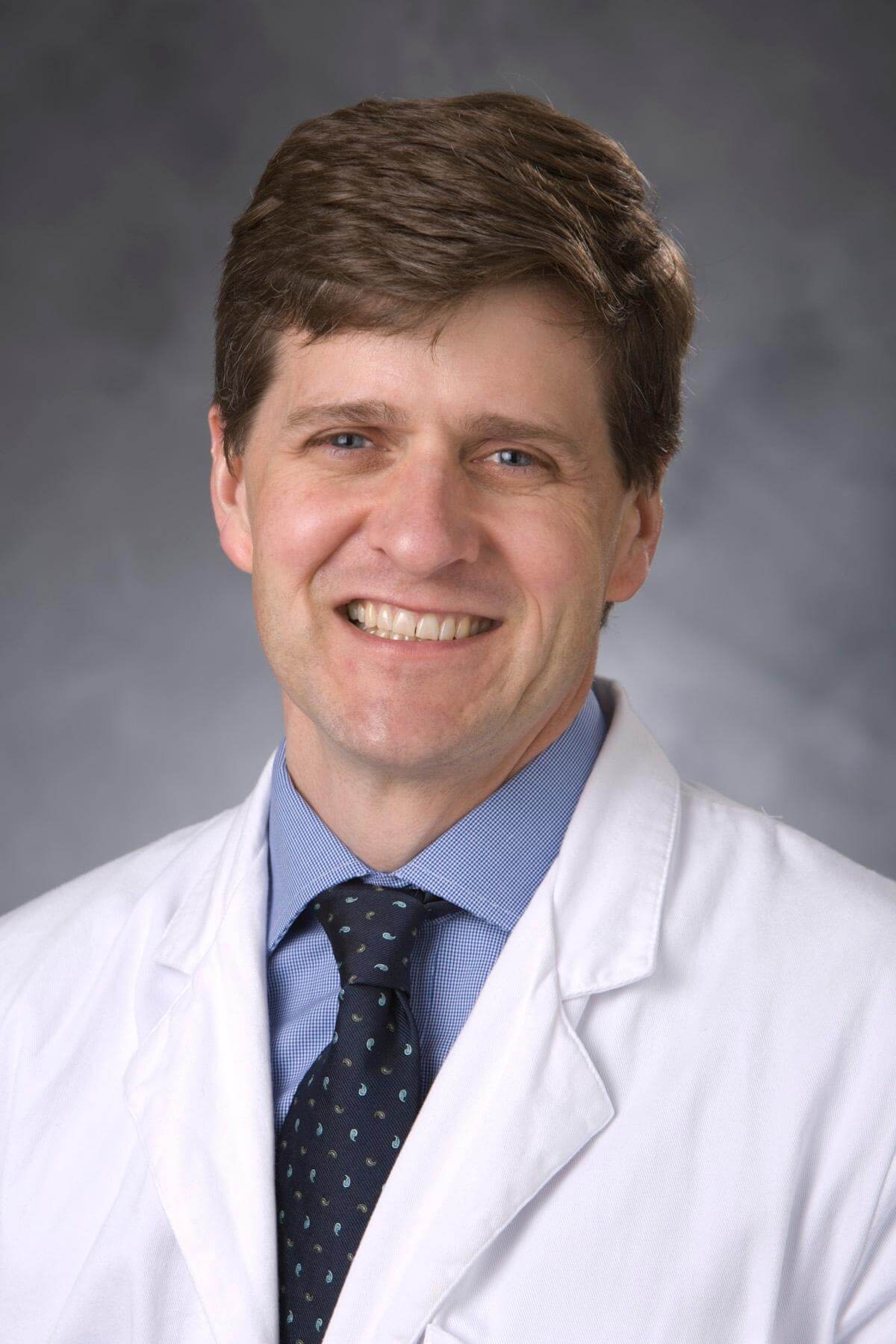
Vance G. Fowler, Jr., MD, MHS
Vance Fowler, MD, MHS
ARLG Co-Principal Investigator

Vance Fowler, MD, MHS, ARLG co-principal investigator, will be this year’s featured speaker presenting the Maxwell Finland lecture at IDWeek 2020. The topic of the lecture will be “Staphylococcus aureus: Lessons Learned from 20 Years with the Persistent Pathogen.”

During his presentation, Dr. Fowler will provide an expert perspective on Staphylococcus aureus and discuss the impact that a single project can have on improved patient outcomes. He will also cover the importance of clinical, bacterial, and host genetic factors in influencing the initiation and severity of infections caused by S. aureus. The session is scheduled to take place on October 23 at 5:30 p.m.

The lecture is named in honor of IDSA’s first president, Maxwell Finland, MD, DSci, who was internationally recognized for his work on the incidence and character of infectious diseases and their treatments. The Finland lecture is typically awarded to someone who has contributed to the areas of bacterial pathogenesis, antimicrobial agents, emerging infections, and hospital-acquired infections.

Cesar Arias Named New Editor in Chief of AAC Journal

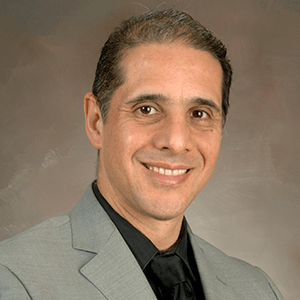
Cesar Arias, MD, PhD

Antimicrobial Agents and Chemotherapy (AAC) announced that Cesar Arias, MD, PhD, will be its new editor in chief starting July 2020. Dr. Arias is part of the ARLG Laboratory Consortium team. He has received international recognition for his work conducting basic, translational and clinical research on antibiotic resistance.

The AAC is an American Society for Microbiology (ASM) journal that covers interdisciplinary studies that increase knowledge of underlying mechanisms and therapeutic applications of antimicrobial and antiparasitic agents and chemotherapy. Dr. Arias has served as an AAC editorial board member since 2009 and an editor since 2014.

Read more

CRACKLE-2 Study Results Published

The World Health Organization (WHO) currently classifies carbapenem-resistant Enterobacterales (CRE) as one of the top three most dangerous multidrug-resistant pathogens. With the incidence of infections from CRE increasing dramatically since the first reported case in 1996, it is considered a significant public health threat. The Consortium on Resistance Against Carbapenems in Klebsiella and other Enterobacteriaceae 2 (CRACKLE-2) Study was designed to provide additional observational data to help design future randomized clinical trials on both therapeutics and diagnostics for multi-drug resistant organism (MDRO) infections.

The multi-center study conducted in in 42 U.S. hospitals collected clinical and epidemiological data on patients with MDRO isolated from clinical cultures during hospitalization. The study’s primary outcome measure was desirability of outcome ranking (DOOR) at 30 days after index culture. Study personnel also recorded epidemiological information on patients that included identifying potential clinical trial enrollment barriers as well as data on the patient outcomes resulting from various antimicrobial treatment regimens.

Study researchers further detailed information on MDRO species, strain type, and mechanism of carbapenem resistance. Since not all diagnostics detect and not all therapeutics are active against the same mechanism of carbapenem resistence, this understanding of the molecular characteristics of carbapenem resistance of the causative CRE will further inform upcoming clinical trial design.

Initially, study personnel expected the study data would show two subsets of CRE, carbapenemase-producing Enterobacterales and non-carbapenamase-producing Enterobacterales. However, a novel subset of CRE was identified comprised of Centers for Disease Control (CDC) defined CRE. It consisted of unconfirmed CRE initially reported as CRE but susceptible to carbapenems in two central laboratories. Unexpectedly, clinical outcomes were similar between patients with all three subsets of CRE.

Carbapenemase-producing Enterobacterales have been the focus of most anti-CRE dedicated efforts. This is primarily based on their extensive resistance profile and the ability of these resistance mechanisms to spread from one bacterium to the other and from one patient to the other.

The unexpected finding that outcomes were similar among patients infected with any of these subsets illustrates that any patient diagnosed with CDC-defined CRE is at risk for poor outcomes. Overall, 24% of infected patients died within 30 days of first positive culture for CRE. Of patients who survived and were discharged, almost half were readmitted to the hospital within 90 days. This illustrates that CRE that do not produce carbapenemases are also clinically important. They are a more genetically diverse group and any intervention targeting the spread of these organisms would likely be more general. Examples of such interventions may include antimicrobial stewardship and improved hand hygiene.

The sites that participated in CRACKLE-2 are now part of ARLG’s international MDRO Network dedicated to studying antimicrobial resistance. Work is underway with similar studies on carbapenem-resistant Acinetobacter baumannii and carbapenem-resistant Pseudomonas aeruginosa. In addition, the first manuscript describing the CRE epidemic in the U.S. compared to other parts of the world is in progress. Next the MDRO Network will implement follow-up clinical trials based on CRACKLE-2 therapeutics and diagnostic data.


Review this tool to interact with the summary data from CRACKLE-II.

Read the full publication.


Gram-Negative Committee Calls for New Submissions

Finding better ways to combat resistant gram-negative bacterial infections remains an ongoing challenge for health care practitioners and researchers alike. One way ARLG’s Gram-Negative Committee meets this challenge is by regularly reviewing and implementing innovative, early-stage study ideas.

Currently, the committee is seeking interventional study ideas that aim to fill the most critical knowledge gaps and have the largest impact on clinical practice. All ideas are welcome, but some areas of interest include the optimum therapy (agents, dose, duration, interval, type of administration, clinical algorithms) and its impact on efficacy, clinical outcomes, and prevention of resistance.

Synopses should be no more than a half page (250 words) in length. The deadline for idea submissions is March 31.

Read more

Ambassadors Unite Against Antibiotic-Resistance

In February, ARLG investigators Ritu Banerjee, M.D., Ph.D., Melinda Pettigrew, Ph.D., and committee member Kerry LaPlante, Pharm.D., gathered in Washington D.C. as ambassadors of PEW Charitable Trust’s annual Stand Up to Superbugs initiative.

The goal of the initiative is to meet with state representatives and public officials to raise awareness of the growing public health threat of antibiotic resistance. Key messages focus on the need for increased antibiotic development and innovation, the proper use of antibiotics, and increased funding to combat the issue.

More than 40 ambassadors took part in the initiative from various occupations including health care professionals, public health officials, scientists, farmers, and veterinarians as well as individuals who have had personal experiences with antibiotic resistance.

Read more about the initiative.

2020 Wolcott Award Goes to Robert A. Bonomo, MD

Robert A. Bonomo, MD, of the Louis Stokes Cleveland VA Medical Center, is the 2020 recipient of the Wolcott Award for Excellence in Clinical Care Leadership. The Wolcott Award recognizes outstanding clinical practitioners who have made monumental contributions to the practice of medicine in the VA healthcare system. It is the most prestigious clinical award for VA clinicians.